Working brief
Decisions to settle before approval
The player enclosure, controls, speaker, power, storage, language switching and card path should make the learning flow obvious. The purpose of this page is to make the buyer's next decision explicit and give the project team a shared review point before cost, tooling or production commitments.
- Age group and grip
- Controls and feedback
- Speaker and volume
- Battery, charging and storage
What the review should return
A useful review does more than confirm that the project is possible. It records the assumptions, files, risks and approvals that control the next milestone.
- Player specification
- Control map
- Electronic architecture
- Enclosure sample plan
Evidence buyers should request
These items prevent the page from becoming a generic marketing claim. They should be current, relevant to this product decision and available for review at the appropriate project stage.
- Functional player
- Usability observation
- Acoustic check
- Engineering sample
How this fits the project
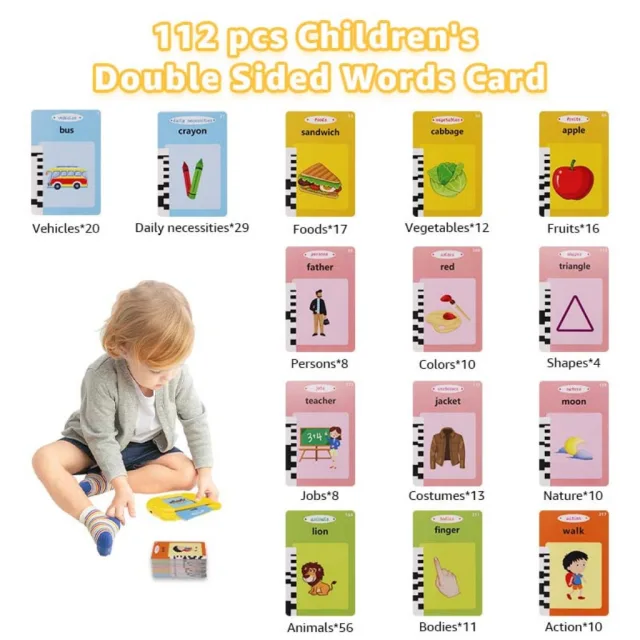
Talking-card systems fail when artwork, audio, firmware and printed codes use different naming. A controlled content map keeps publishers, translators, voice talent, engineers and printers on the same version. For this decision, the team should confirm ownership, reviewers and exit criteria before moving to the next stage.
The downloadable or emailed plan records working assumptions only. Final engineering, quotation, compliance, intellectual-property and schedule commitments belong in the reviewed project scope and signed agreement.