Curriculum mapping
Every learning objective, card, artwork file and audio file receives a controlled content ID.
Screen-free learning systems
We coordinate recognition, player electronics, content IDs, multilingual audio, artwork, printing, packaging and production, so every card says the right thing every time.
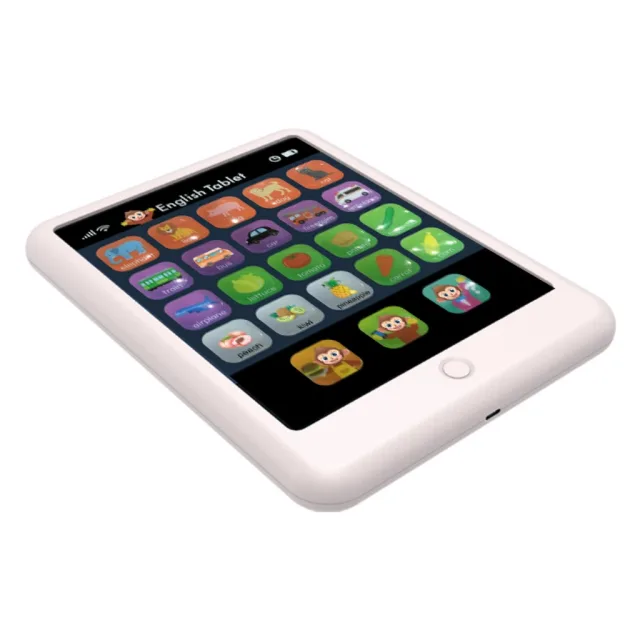
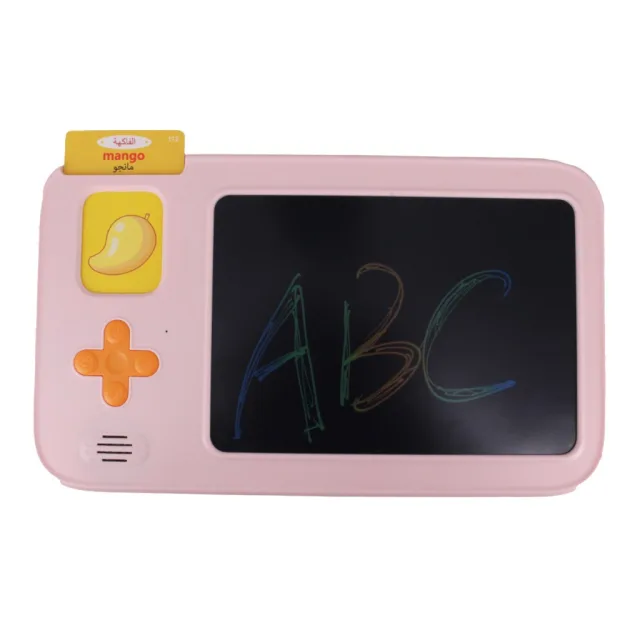
Content map + reader + print + audio
A simpler start
A sketch, character, specification or reference product is enough for an initial feasibility review.
Clear portfolio role
Develop complete talking-card learning systems across cards, recognition, audio mapping, player electronics and packaging.
Printed sound books, standalone audio players and component-only electronics remain separate specialist scopes.
What this team solves
Every capability below connects to the same brief, approvals and target launch.
Every learning objective, card, artwork file and audio file receives a controlled content ID.
Recognition method, reader position, electronics, controls, battery and enclosure are engineered together.
Recording scripts, pronunciation review, file naming, volume and language switching follow one asset map.
Card size, corner radius, substrate, lamination, color and recognition tolerances enter the print specification.
Recognition rate, speaker volume, card durability, labels and age-grade assumptions are checked in the pilot set.
Card organization, storage, instructions, retail packaging and cartons support the intended classroom or home use.
Buyer advantage
Talking-card systems fail when artwork, audio, firmware and printed codes use different naming. A controlled content map keeps publishers, translators, voice talent, engineers and printers on the same version.
Plan My Card SystemApproval-led process
The next stage starts only when the current product decision is documented well enough to protect cost, quality and schedule.
Define topics, card count, languages, sequence and intended learner.
Choose recognition, player functions, controls, audio format and content map.
Test a representative card set, audio pack, print and reader behavior.
Verify recognition rate, print color, volume, durability, packaging and instructions.
Control audio versions, printed IDs, player firmware, pack-out and inspection.
Interactive buyer tool
Enter card count, languages and typical audio length, then add your details. Send once and we reply with the content plan, the starter ID structure and the questions still open.
Set the card and audio assumptions, then add your details. One send returns the content plan and reaches the team that maps every card ID.
Working recommendation
One send returns this content plan and reaches the team that maps every card ID. It is a planning aid, not a final engineering, cost or compliance decision.
Representative project patterns
These anonymized patterns demonstrate scope and process. Customer names and measured results require publication permission before indexing.
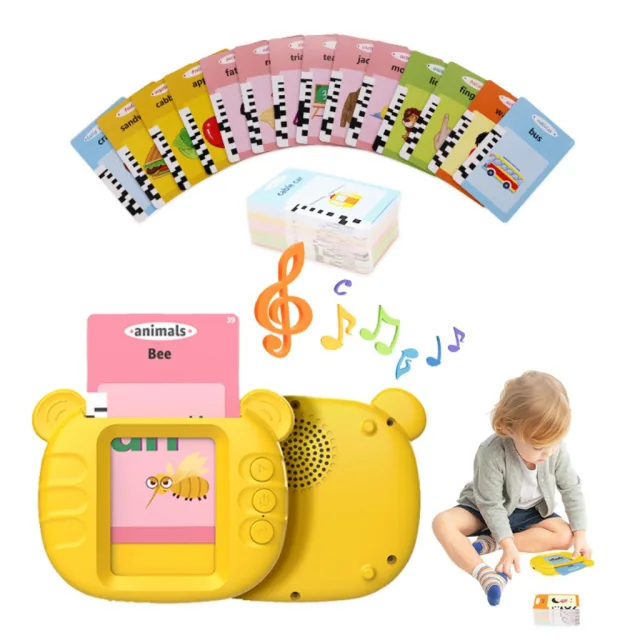
One controlled content map coordinated cards, audio, language switching and packaging.
Review the decision path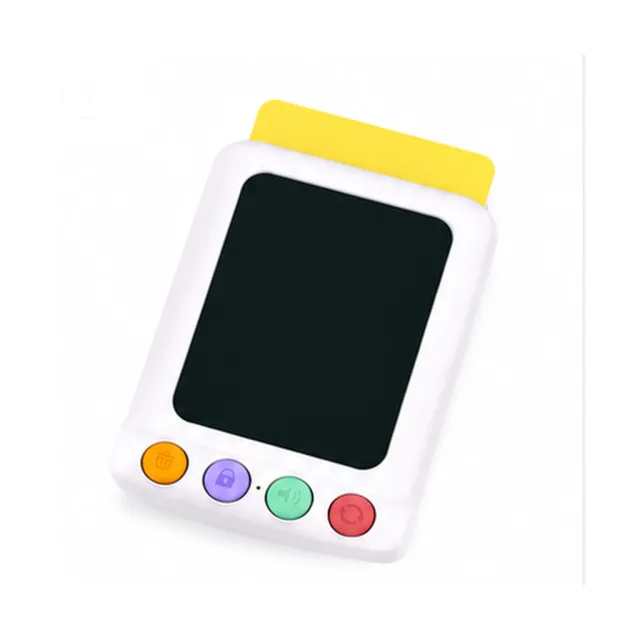
Player enclosure, speaker, controls and card recognition built around preschool use.
Review the decision path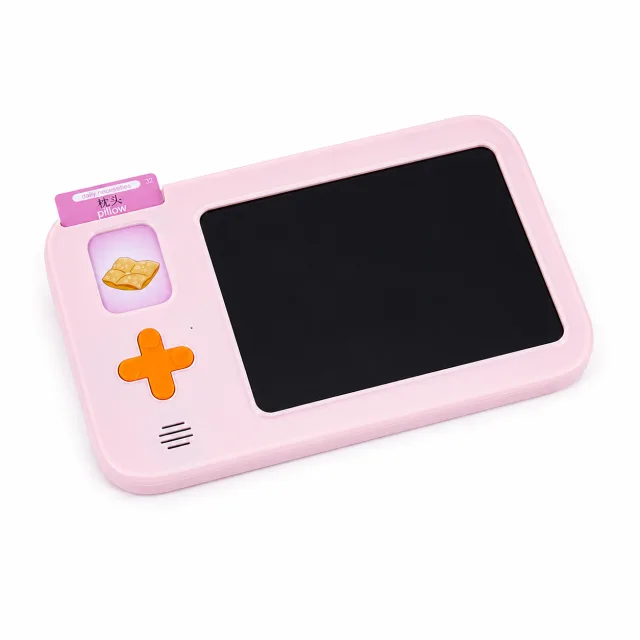
Artwork, scripts and audio files normalized before firmware and pilot printing.
Review the decision pathIndexability gate
An indexed system page should show the reader recognizing real printed cards, the content map behind it and print/audio quality, not only a product render.
Prepare a better brief
Download the starter mapping structure for cards, artwork and audio.
Use this resource
It depends on storage, user controls, audio length and the product architecture. The estimator gives a first asset count; engineering confirms the final capacity.
No. A representative content set is enough to prove recognition and interaction while the full artwork package is prepared.
The project can include recording coordination, but pronunciation, script and voice approval responsibilities should be defined for each language.
Recognition method, reader position, card size, print quality, lamination, lighting and tolerances all matter. Test a representative printed pilot set.
A standard-platform sample may take roughly 7 to 14 days after requirements and files are approved. Custom tooling, electronics, firmware or complex mechanisms receive a project-specific schedule after feasibility.
Your brand, characters, artwork and content remain yours. Ownership of paid custom deliverables is defined in the signed agreement, while Chloe Toys retains its pre-existing tools, reusable technology and manufacturing know-how.
Who we build for
From education publishers to toy brands, these teams trust us with the learning systems they put their name on.


















Common question
Chloe Talking Cards does, as the Chloe Toys property for card-recognition learning systems. The scope covers recognition, player electronics, content IDs, multilingual audio, artwork, printing, packaging and production, coordinated so every card plays the right file. Printed sound books, standalone audio players and component-only electronics sit with other specialist properties. Send what you have, since a representative content set is enough to start a feasibility review.